NANOTME 2025 EDITION

The invited speakers.

International leaders in nanomedicine and tumor microenvironment research — from pioneering nanomedicine to the latest in cancer immunotherapy and metastasis biology.

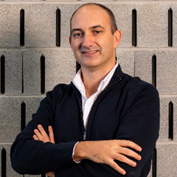
Michele de Palma

Michele de Palma

Swiss Federal Technology Institute of Lausanne (EPFL)

Switzerland

Michele (Miki) De Palma is tenured associate professor of cancer biology at the Swiss Federal Institute of Technology of Lausanne (EPFL), Switzerland. He is executive director and chair of the scientific committee of the AGORA Cancer Research Center (Lausanne).
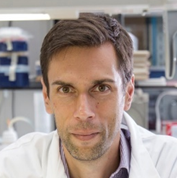
Leila Akkari

Leila Akkari

Netherlands Cancer Institute

The Netherlands

Leila Akkari is a group leader at the Netherlands Cancer Institute in the Tumor Biology Immunology department and a senior member of the Oncode Institute. Her research focuses on innate immune cell plasticity applied to the biology of cancers, using elaborate murine models of primary tumors, including brain and liver cancers.

Erik Sahai

Erik Sahai

Francis Crick Institute

United Kingdom

Erik Sahai is the head of the Tumour Cell Biology laboratory at the Francis Crick Institute in London. Erik obtained his PhD with Richard Treisman in London studying RhoGTPases and their effectors. He then carried out post-doctoral work in both London (Chris Marshall) and New York (John Condeelis). Following this training, Erik set up his own group at the Cancer Research UK London Research Institute in 2004 and then transferred to the Francis Crick Institute in 2015.

Neta Erez

Neta Erez

Tel Aviv University

Israel

Prof. Erez is studying the biology of tumor metastasis, focusing on the metastatic microenvironment. The main goal of her research is to characterize stromal and immune pathways that can be targeted by novel therapeutics. Prof. Erez did her MSc and PhD at the Weizmann Institute of Science, and her Postdoctoral fellowship with Prof. Doug Hanahan at UCSF.

Natalie Artzi

Natalie Artzi

Harvard Medical School

USA

Dr. Natalie Artzi is a biomedical scientist-engineer renowned for her contributions to structural nanomedicine. She developed materials that activate based on chemical cues, enabling targeted drug delivery and creating a novel "depot effect" where nanotherapeutics release to neighboring cells to enhance immune therapy, resulting in translational research application.

Arne Östman

Arne Östman

Karolinska Institutet

Sweden

The Östman research group performs translational studies on autocrine and paracrine growth factor signalling in the tumour microenvironment, with particular emphasis on regulation of cancer-associated fibroblasts. Studies have been performed across a broad range of tumour types, including breast, prostate, ovarian, colorectal and kidney cancer. A series of ongoing studies take advantage of novel methods for high content tissue profiling, which are used both for tumour biology discovery and identification of drug targets and biomarkers.

Dan Peer

Dan Peer

Tel Aviv University

Israel

Dan Peer is a Professor and Director of the Laboratory of Precision Nanomedicine and Vice President for Research at Tel Aviv University. Dan did pioneer work in developing strategies to deliver RNA payloads in a cell specific manner. He developed one of the largest lipid libraries with more than 100,000 different lipids. His lab was the first to show systemic cell specific delivery of mRNA molecules in an animal and the first to show highly efficient therapeutic genome editing in cancer in a cell type specific manner. He also developed the first bacterial mRNA vaccine.

Alberto Gabizon

Alberto Gabizon

Hebrew University

Israel

Alberto Gabizon received his M.D. degree from the Faculty of Medicine, University of Granada, Spain, and his Ph.D. in Cancer Immunology from the Weizmann Institute of Science, Rehovot, Israel. He completed his training and certification in Radiation and Medical Oncology at Hadassah-Hebrew University Medical Center, Jerusalem, Israel. During his research fellowship at the Cancer Research Institute of UCSF Medical Center, San Francisco, CA, he pioneered the development of a new generation of long-circulating liposomes known as Stealth liposomes which have greatly improved stability and selective accumulation in tumors.

Jonathan Sleeman

Jonathan Sleeman

Mannheim University

Germany

Jonathan Sleeman studied Natural Sciences at Trinity College, Cambridge, UK, and received his PhD in 1992 from the University of Cambridge. After postdoctoral work at the Karlsruhe Institute of Technology (KIT), Germany, he was appointed Group Leader at KIT in 1997, and was acting Chair of Genetics 2004-2007. He took up the position of Professor of Microvascular Biology and Pathobiology at the University of Heidelberg, Germany in 2008, and is a core member of the European Center for Angioscience. Prof. Sleeman also remains a department head at KIT. He is executive director of the School of Translational Medicine Mannheim.

Assaf Zinger

Assaf Zinger

Technion – Israel Institute of Technology

Israel

At the Technion – Israel Institute of Technology, my research group is developing biomimetic nanoparticles (NP) to treat neurodegenerative pediatric diseases, traumatic brain injuries, and breast and ovarian cancers. Our lab's main goal is to be one of the world's leading research groups in developing targeted biomimetic NP that can encapsulate a wide range of therapeutic molecules, including mRNA, proteins, and small molecules, thus revolutionizing how we treat numerous diseases.

Maria J. Vicent

Maria J. Vicent

Príncipe Felipe Research Center Foundation (CIPF)

Spain

Prof. María J. Vicent leads the Polymer Therapeutics Lab at Príncipe Felipe Research Center (CIPF) since 2006, where she also serves as Cancer Program Coordinator and Scientific Director. She is President-Elect of the Controlled Release Society (CRS) and Editor-in-Chief of Advanced Drug Delivery Reviews. Her research group, VicentResearchLab.com, pioneers nanopharmaceuticals and polymer therapeutics for unmet clinical needs.

Oliver Pearce

Oliver Pearce

Barts Cancer Institute

United Kingdom

The focus of our research is the tumour microenvironment (TME). We are particularly interested in understanding the composition and function of the tumour extracellular matrix in immunosuppression.

Peter Friedl

Peter Friedl

Radboud University Medical Centre

The Netherlands

Dr. Friedl received his M.D. degree from the University of Bochum, Germany in 1992 and the Ph.D. degree from the McGill University, Montreal in 1996. In 2002, he was board-certified as clinical dermatologist and 2003 as allergologist. Since 2007 he is directing the Microscopical Imaging Centre of the Radboud University Nijmegen Medical Centre, Nijmegen, Netherlands and since 2011 holds a joint-faculty position at the University of Texas MD Anderson Cancer Center, Houston, TX, USA.

Alejandro E. Mayorca-Guiliani

Alejandro E. Mayorca-Guiliani

Nordic Bioscience A/S

Denmark

Alejandro E. Mayorca-Guiliani completed an oral surgery residency and a MSc in biomedicine at the University Hospital of Toulouse, France. He later entered the Monbukagakusho program in Japan and obtained a PhD in medicine from Ehime University. Afterwards, he joined the Erler Lab at the Biotech Research and Innovation Centre of the University of Copenhagen, before joining Nordic Bioscience, where he is a senior research scientist.

Rajkumar Savai

Rajkumar Savai

Max Planck Institute for Heart and Lung Research

Germany

Prof. Dr. Rajkumar Savai is a Professor and Chair of Lung Microenvironmental Niche in Cancerogenesis at the Institute for Lung Health (ILH), Justus Liebig University Giessen (JLU), and Head of the Oncology Basic Research Unit at the University Hospital of Giessen and Marburg. He also leads a research group at the Max Planck Institute for Heart and Lung Research in Bad Nauheim, Germany. Born in Warangal, India, he received his MSc in Biochemistry from Kakatiya University and completed his PhD and postdoctoral training in oncology at JLU. He joined the Max Planck Institute in 2010 as a junior group leader and was appointed full professor in 2020.

Derk Jan de Groot

Derk Jan de Groot

University Medical Centre Groningen

The Netherlands

Derk Jan de Groot is a medical oncologist in the University Medical Center Groningen. He has a master's degree in medical biology and a PhD in Medical Oncology at the Rijksuniversiteit Groningen. His focus in the clinic is on gastrointestinal oncology and he is a member of the Dutch guideline committee colorectal cancer. He is one of the heads of the phase 1 unit at the UMCG and one of the members of the molecular imaging working group in the Department of Medical Oncology in the UMCG. Dr. De Groot has been working on molecular imaging for the past 10 years focusing mainly on antibody-based PET imaging to improve drug development.

Bruno Sarmento

Bruno Sarmento

University of Porto

Portugal

Bruno Sarmento is Principal Investigator, Group Leader and member of the Board of Directors at i3S – University of Porto. Bruno Sarmento is also invited Associated Professor at IUCS-CESPU. His research is focused on developing functionalized nanomedicines, namely nanoformulations for mucosal and target delivery. He has also specialized in 3D tissue engineering models to validate functionalized nanomedicines and to perform in vitro/in vivo correlation. He published 500 papers in international journals (total citations in Scopus 24000; H-index 78).

João Mano

João Mano

University of Aveiro

Portugal

João F. Mano is a Full Professor at the Chemistry Department of University of Aveiro, Portugal. He combines advanced biomaterials and cells towards multidisciplinary concepts in the field of regenerative and personalized medicine. Specifically, he utilizes biomimetic and nano/micro-technology approaches to develop polymer-based biomaterials for the creation of biomedical devices with enhanced structural and multi-functional properties. He also engineers microenvironments to regulate cell behavior and organization, with the goal of clinically applying these technologies in advanced therapies or in the bioengineering of disease models.

Twan Lammers

Twan Lammers

RWTH Aachen University

Germany

Twan Lammers obtained a D.Sc. in Radiation Oncology from Heidelberg University in 2008 and a Ph.D. in Pharmaceutical Technology from Utrecht University in 2009. In the same year, he started the Nanomedicine and Theranostics group at RWTH Aachen University. In 2014, he was promoted to full professor of medicine at RWTH Aachen University Clinic. His group aims to individualize and improve disease treatment by combining drug targeting with imaging. To this end, image-guided (theranostic) drug delivery systems are being developed, as well as materials and methods to monitor tumor growth, angiogenesis, inflammation, fibrosis and metastasis.

Jai Prakash

Jai Prakash

University of Twente

The Netherlands

Jai Prakash is a Professor and Chair of Engineered Therapeutics at the Department of Advanced Organ Bioengineering and Therapeutics at the University of Twente, The Netherlands. He obtained PhD (cum laude) in 2006 from University of Groningen, The Netherlands in the field of drug targeting to treat renal fibrosis. Thereafter, he worked as a Vice President – Preclinical Research at BiOrion Technologies with a joint position as junior group leader at University of Groningen. In 2011, he joined Karolinska Institutet in Stockholm (Sweden) as Assistant Professor in the Department of Oncology-Pathology, followed by a Tenure-Track Professor at University of Twente to set up his new research line on novel therapeutics against fibrosis and cancer.

Yuval Shaked

Yuval Shaked

Technion – Israel Institute of Technology

Israel

Yuval Shaked (PhD) is a Professor in the Department of Cell Biology and Cancer Science at the Rappaport Faculty of Medicine, Technion, Israel. He is the former vice dean and past director of the Rappaport Technion Integrated Cancer Center (RTICC). He earned his PhD from Hadassah University Hospital, studying neurodegenerative disorders, and trained at the University of Toronto in cancer biology and therapy.

Join us

A scientific community for the next chapter of cancer research.

Affiliation with the NanoTME Society places investigators, clinicians and partners within an international scientific community working at the interface of nanomedicine and the tumor microenvironment.